

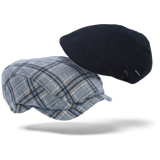
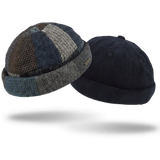

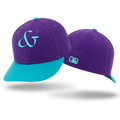
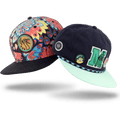
The 10 Most Influential Cap Brands in the World
Share
Ranking cap brands by sales alone would produce a boring list. This one ranks by influence — which brands actually changed what people put on their heads, and what each is worth knowing for.
01
New Era
Founded in Buffalo, New York in 1920. The 59FIFTY fitted cap became the on-field standard for Major League Baseball and then escaped the ballpark entirely — through hip-hop, through skate culture, through everywhere. More than any other brand, New Era is the reason a flat-brim cap reads as a fashion object rather than sports equipment.
Known for: structured fitted caps, flat brims, licensed team designs.
02
Kangol
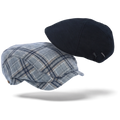
An English company started in 1938, originally making berets for the British army. Decades later its bucket hats and 504 flat caps became signatures of early hip-hop in New York — an unlikely journey for a military supplier. If you own a bucket hat, this is the lineage.
Known for: bucket hats, wool and angora textures, the kangaroo mark.
03
Stetson
The oldest name here, founded in 1865. Stetson invented the American cowboy hat and effectively defined an entire silhouette that people still recognise on sight. Not an everyday cap brand, but no serious headwear list works without it.
Known for: felt Western hats, wide brims, heritage construction.
04
Mitchell & Ness
A Philadelphia sporting goods maker dating to 1904 that found its real identity much later, reproducing vintage team jerseys and caps. The throwback snapback boom of the 1990s and 2000s runs straight through this brand.
Known for: retro snapbacks, archival colourways, wool blends.
05
'47
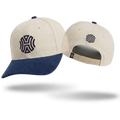
Started in Boston in 1947 by twin brothers selling near the ballpark. Its Clean Up cap — unstructured, soft, slightly faded — is largely responsible for the modern dad-cap silhouette being taken seriously.
Known for: unstructured caps, washed cotton, relaxed fit.
06
Goorin Bros
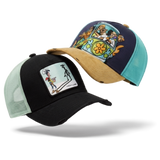
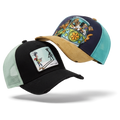
A family hat business founded in 1895 that survived by refusing to be generic. Its illustrated animal trucker caps are instantly identifiable and proved that a graphic could carry a cap without a sports licence attached to it.
Known for: trucker caps, patch illustrations, independent character.
07
Carhartt
A workwear company from 1889 whose caps and beanies were designed for job sites and then adopted wholesale by skaters, students and everyone else. The appeal is honesty: heavy duck canvas, no decoration, built to be abused.
Known for: durable canvas caps, beanies, utilitarian design.
08
Nike
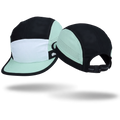
The performance benchmark. Nike pushed technical fabrics, moisture management and lightweight running caps into the mainstream, which is why most athletic headwear now competes on breathability rather than looks.
Known for: sport and running caps, technical fabrics, ventilation.
09
Patagonia
An outdoor company founded in 1973 that made the trucker cap a staple outside of trucking. Its real contribution is environmental: recycled materials and repair programmes that pushed the rest of the industry to answer questions it had been avoiding.
Known for: trucker caps, recycled materials, outdoor durability.
10
Supreme
A New York skate shop from 1994 that rewrote how headwear is sold. Small drops, fixed release times, deliberate scarcity — a model now copied by almost every streetwear label on earth, for better and worse.
Known for: limited drops, box logo caps, streetwear influence.
Every brand on this list is famous for one decision. Pick the decision you agree with and the cap follows.
Worth knowing
Brixton for its five-panels and flat caps. Ebbets Field Flannels for painstaking historical reproductions of pre-war baseball caps. Melin for the technical, water-resistant end of the market. None are as widely known as the ten above, but all are doing something specific.
Buying these in Bangladesh
Two practical realities. First, most of these brands have no official retail presence here, so you are buying through importers or resellers — and counterfeits of New Era and Supreme in particular are everywhere. Check the interior stitching and the sweatband, not the logo; fakes copy the logo first and the construction last.
Second, the import price is often two to three times the original retail price once shipping and duty are added. That is worth it if you want a specific archival design. It is not worth it if you just want a well-made cap — at that point you are paying for a name and a customs form.
Made here, priced here
Original designs, no import markup
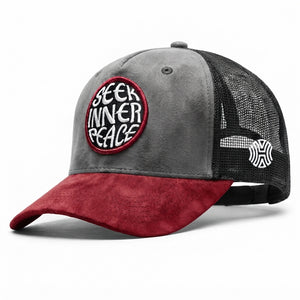
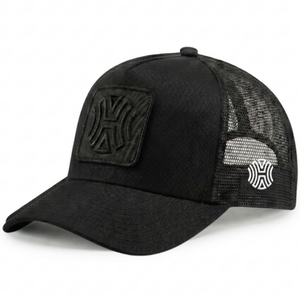
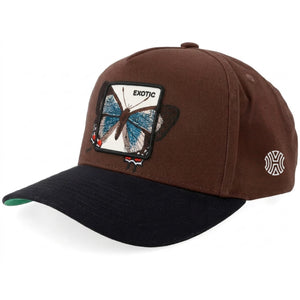
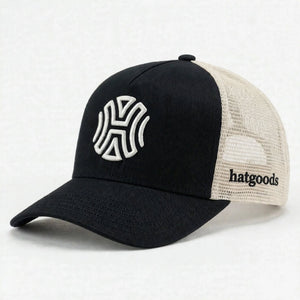
Six Hatgoods series, built for Bangladesh weather. Cash on delivery nationwide — inspect the stitching before you pay.
Shop all capsNext: what to check before buying any cap — fabric, brim core, sweatband and the six-point inspection that takes thirty seconds.


